
Uncategorized
Pine Straw vs. Wheat Straw: Which Mulch Is Right for Your Landscape?
Nov
You’ve Got Two Bales in Front of You — Now What?
You’re standing in the yard, coffee in hand, staring at a garden bed that needs attention. Maybe it’s the front walkway that could use a polished look before the neighbors start their spring projects. Maybe it’s the vegetable garden out back where your tomatoes got hammered by soil splash and weeds last summer. Either way, you know mulch is the answer — but the question of which mulch stops a lot of folks right here in Johnston and Wake County dead in their tracks.
Pine straw and wheat straw are two of the most popular organic mulch options in central North Carolina, and for good reason. They’re natural, effective, and readily available. But they serve very different purposes, and picking the wrong one for your project means wasted money, wasted weekends, or both. Let’s walk through what actually matters so you can make the right call — and get back to the part of yard work you actually enjoy.
It Starts With the Look
Pine Straw: The Polished First Impression
Pine straw lays down in long, reddish-brown needles that knit together into a uniform, almost carpet-like surface. If you’ve ever driven through a well-maintained neighborhood in Raleigh or Clayton and noticed beds that look effortlessly “finished,” there’s a strong chance pine straw was doing the heavy lifting. It gives ornamental beds, foundation plantings, and front-yard borders a natural, forest-floor aesthetic that photographs well and ages gracefully.
Wheat Straw: Function Over Flash
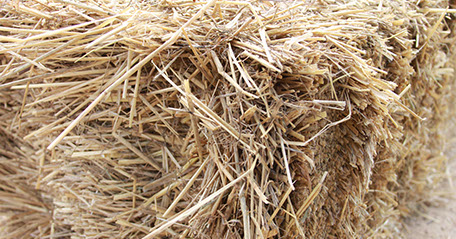
Wheat straw tells a different visual story. Its pale yellow to golden stalks have a rustic, farmstead quality — honest and practical rather than decorative. Nobody’s laying wheat straw mulch around their front porch hydrangeas for curb appeal, and that’s perfectly fine. Its strength is behind the house, in the vegetable patch, across a freshly seeded lawn, or along a bare slope that needs quick stabilization. If pine straw is the dress shirt, wheat straw is the well-worn work jacket — and sometimes the work jacket is exactly what the job calls for.
How Fast They Break Down — And Why That Matters
Key Insight: Decomposition rate isn’t just about how often you replace mulch. It determines whether your mulch is protecting the surface or actively feeding the soil beneath it.
Pine straw decomposes slowly, typically holding its structure for 12 to 18 months depending on our Carolina heat and humidity cycles. That means fewer trips to restock and less labor over the course of a year. For ornamental beds you want to “set and forget,” that longevity is a real advantage.
Wheat straw, on the other hand, breaks down within a few months. At first glance, that sounds like a drawback. But if you’re growing vegetables, it’s actually the point. As wheat straw decomposes, it feeds organic matter directly back into the soil, improving structure and fertility right where your plants need it most. For a seasonal vegetable garden that gets replanted every spring and fall, that rapid turnover works with your schedule, not against it.
The tradeoff is straightforward: if you’re using straw mulch for garden beds that run year-round, you’ll need to replenish more often. For seasonal growing, the timing lines up naturally.
Matching Mulch to the Job
Where Pine Straw Wins
Pine straw excels in ornamental flower beds, around acid-loving plants like azaleas, camellias, and blueberries, and on sloped terrain. Those interlocking needles grip each other and resist washing away during heavy rain — something anyone who’s watched a thunderstorm roll through Clayton in July can appreciate. If your property has grade changes or hillside beds, pine straw holds its ground in ways loose materials simply can’t.
Where Wheat Straw Wins
Wheat straw is the go-to for vegetable gardens, and the reasons stack up quickly. It suppresses weeds, retains soil moisture during dry stretches, regulates soil temperature, and — critically for tomato and pepper growers — prevents soil from splashing onto lower leaves, which is one of the primary ways soil-borne diseases spread. If you lost plants to early blight or leaf spot last season, a proper layer of wheat straw mulch around the base of your crops can make a noticeable difference this year.
Beyond the garden, wheat straw is the standard choice for new grass seeding. It holds seed in place, keeps the soil moist during germination, and protects tender new shoots from sun and wind. Construction crews across Wake County use it for erosion control on disturbed sites for the same reasons. And when winter approaches, a thick blanket of wheat straw insulates overwintering crops and perennial beds against frost.
A word of caution: Not all wheat straw is created equal. Bales contaminated with weed seeds or herbicide residues can introduce problems you didn’t have before. Always source your wheat straw from a supplier you trust — one that knows where their product comes from and stands behind its quality.
The Cost Conversation
Pine straw generally carries a higher upfront cost per bale, but its slower decomposition means you’re buying less often over the course of a year. For permanent ornamental beds that need to look sharp twelve months straight, the per-season math often works in pine straw’s favor.
Wheat straw costs less per bale and is widely available, making it the budget-friendly pick when you need to cover large areas — think a 400-square-foot vegetable garden, a newly seeded backyard, or a long drainage swale. When comparing pine straw vs wheat straw for a one-time seasonal application, wheat straw delivers more coverage for fewer dollars, period.
The bottom line: your project timeline determines the better value. Ongoing ornamental beds lean toward pine straw. Seasonal gardens and one-time ground cover lean toward wheat straw.
So, Which One Do You Actually Need?
Here’s the honest summary. If your goal is curb appeal and low-maintenance ornamental beds, reach for pine straw. If you’re building soil in a vegetable garden, seeding a new lawn, or covering a large area on a budget, wheat straw is the smarter pick. Slopes and erosion-prone areas favor pine straw’s interlocking grip. And if you’re still not sure, that’s exactly what a quick conversation with someone who handles both products every day can sort out in about two minutes.
Get the Right Mulch Without the Guesswork
At Red Barn Mulch in Clayton, NC, we’ve been helping homeowners and professional landscapers across Johnston County and Wake County choose the right materials for decades. We’re family-owned, we’re the largest mulch distributor in Johnston County, and we carry the full range of organic mulch options — because the right answer depends on your yard, not a generic recommendation.
Stop by our location at 2019 Hardee Ln, Clayton, NC 27520, give us a call at (919) 553-6626, or browse our products at redbarnmulch.com. We offer delivery across the area with fees ranging from $30 to $75 depending on distance, so you don’t even have to load your truck if you’d rather not.
Spring doesn’t wait, and neither do weeds. The sooner you get the right mulch down, the less work you’ll be doing in July.
