
Uncategorized
Benefits of Red Oak Mulch: Why It’s the Smart Choice for Johnston County and Wake County Landscapes
Nov
You’ve Spent the Money. The Mulch Faded in Six Weeks.
You laid down a fresh layer of hardwood mulch in April. By Memorial Day, it had already turned that familiar, washed-out gray. The beds look tired, the weeds are pushing through, and you’re staring down another trip to restock — and another weekend on your knees. If you’re a professional landscaper, multiply that frustration by every client on your route. The problem isn’t your technique. It’s your material. And if you haven’t seriously considered red oak mulch, you’re working harder than you need to for results that don’t last.
What Red Oak Mulch Actually Is — And Why It Behaves Differently
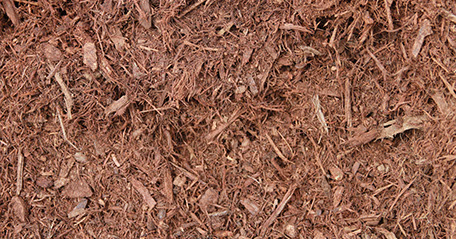
Red oak mulch comes from the bark and wood of red oak trees (Quercus rubra), one of the most abundant hardwood species in the eastern United States. What sets it apart from the generic “hardwood blend” at the big box store is its composition: a stringy, fibrous texture from the oak bark fibers that locks together on the ground, and a naturally rich, reddish-brown color that isn’t sprayed on.
That fibrous structure matters more than most people realize. It’s the reason red oak mulch decomposes more slowly than pine bark mulch, holds its color longer than standard hardwood blends, and stays put on sloped beds where lighter mulches wash away after a hard rain. This isn’t marketing — it’s biology. Oak bark is dense with tannins and lignin, compounds that resist microbial breakdown far longer than the softer cellulose in pine or many mixed hardwoods.
The bottom line: Red oak mulch doesn’t just look better on day one. It looks better on day sixty, and it’s still doing its job on day one hundred and eighty.
How It Stacks Up Against the Alternatives
If you’ve been buying cedar or cypress mulch for its longevity and pest-resistance properties, you already understand the value of a slower-decomposing product. But you’re also paying a premium — often $46 per yard or more. Red oak mulch gives you comparable moisture retention and weed suppression at a significantly lower price point, which matters when you’re covering thousands of square feet across multiple properties.
Compared to pine bark, red oak mulch holds its ground — literally. Pine bark nuggets are lightweight and tend to float and scatter during heavy rain events, a frequent reality in central North Carolina from May through September. Red oak’s interlocking fibers resist displacement, making it a far better choice for erosion control on the clay-heavy soils that Johnston and Wake County homeowners know all too well.
And then there’s the color. Standard hardwood mulch starts fading to silver-gray within weeks of UV exposure. Red oak mulch’s natural reddish-brown tone persists through the season without dye, giving landscapes a warm, finished appearance that complements brick, stone, and painted exteriors alike.
A Note on Soil Chemistry
As red oak mulch breaks down over time, it adds organic matter back into the soil, gradually improving structure and fertility — a meaningful benefit for the compacted clay that dominates our region. It also produces a slight acidifying effect as it decomposes, which is actually a plus for many of the plants that thrive in Zone 8a landscapes: azaleas, camellias, blueberries, gardenias, and rhododendrons all prefer slightly acidic conditions.
One honest caveat: fresh oak mulch can contain allelopathic compounds that may temporarily inhibit germination in sensitive annuals. According to the University of Florida IFAS Extension, allowing red oak mulch to cure — essentially composting it for a few weeks before application — reduces this effect significantly. If you’re buying from a reputable local supplier that stores and ages its product properly, this is rarely an issue.
Real Performance Where It Counts: Johnston and Wake County’s Zone 8a Climate
We live in a region that tests mulch. Summers routinely push into the mid-90s with high humidity, winters deliver occasional hard freezes, and spring storms can drop inches of rain in hours. Red oak mulch earns its keep in every one of those scenarios.
Moisture retention is where the math gets real. The Durham NC WaterWise Landscaping Guide notes that proper mulching can reduce soil evaporation significantly — which translates directly to lower water bills and fewer irrigation cycles during July and August. A well-applied layer of red oak mulch acts as a barrier between the sun and your soil, keeping root zones cooler and moister without staying waterlogged.
Temperature regulation works in both directions. That same insulating layer that keeps soil cool in summer also buffers roots against the occasional January cold snap that drops into the teens. For newly planted shrubs and perennials, this can be the difference between establishment and replacement.
Weed suppression isn’t magic — it’s physics. A consistent 2–4 inch layer of red oak mulch blocks sunlight from reaching the soil surface, dramatically reducing weed seed germination. Fewer weeds mean less time pulling them and less temptation to reach for chemical herbicides — a win for your schedule and your soil biology.
Getting the Application Right
The best mulch in the world underperforms when it’s applied wrong. Here’s what matters.
Apply red oak mulch 2–4 inches deep around woody plants — trees, shrubs, and established perennials. For herbaceous plantings and annual beds, keep it closer to 1 inch to avoid smothering tender stems. Always pull existing weeds before you lay mulch; burying them just delays the problem.
The most common mistake we see — and the one that causes the most damage — is volcano mulching. That’s the practice of mounding mulch up against tree trunks and shrub stems in a cone shape. NC State Extension has been warning against this for years: piled mulch traps moisture against bark, encouraging rot, fungal disease, and pest entry points. Keep mulch a few inches back from the base of any plant. A flat, donut-shaped ring is what you’re after.
Because red oak mulch decomposes more slowly than pine or standard hardwood blends, you’ll typically replenish once a year rather than twice. For professional landscapers managing dozens of properties, that reduced maintenance cycle adds up to real labor savings across a season.
Get Your Red Oak Mulch Locally — From People Who Know the Product
Red Barn Mulch is the largest mulch distributor in Johnston County, and we’ve been serving professional landscapers and DIY homeowners across Johnston and Wake counties for years. We’re 100% family owned and operated — a branch of Bobby Hardee Landscaping — and we’re based right here in Clayton at 2019 Hardee Ln.
We carry a full lineup of bulk mulch products, including Triple Shred Hardwood Mulch at $25/yard, Black Dyed Hardwood Mulch at $36/yard, and Cedar and Cypress Mulch at $46/yard. We also stock 50/50 Mix (Topsoil and Compost) at $36/yard and #5 River Rock Beige at $90/yard for hardscape projects. Delivery is available throughout Johnston County and Wake County, with delivery fees ranging from $30 to $75 depending on distance.
Whether you’re a landscaper loading up for a full week of installs or a homeowner tackling your front beds this weekend, we’ll help you figure out the right product and the right quantity.
Call us at (919) 553-6626 or visit redbarnmulch.com to place your order.
The Choice Is Simple
Every season you spend money on mulch that fades, floats, or breaks down too fast is a season you’re paying twice for the same result. Red oak mulch costs less than premium alternatives, lasts longer than budget blends, and delivers measurable benefits to your soil, your plants, and your property’s appearance. The smart move isn’t to keep doing what you’ve always done — it’s to switch to a material that actually performs the way mulch is supposed to. Your beds, your budget, and your weekends will thank you.
